Loading...
Serving Alameda, CA and surrounding areas. (341) 895-9185
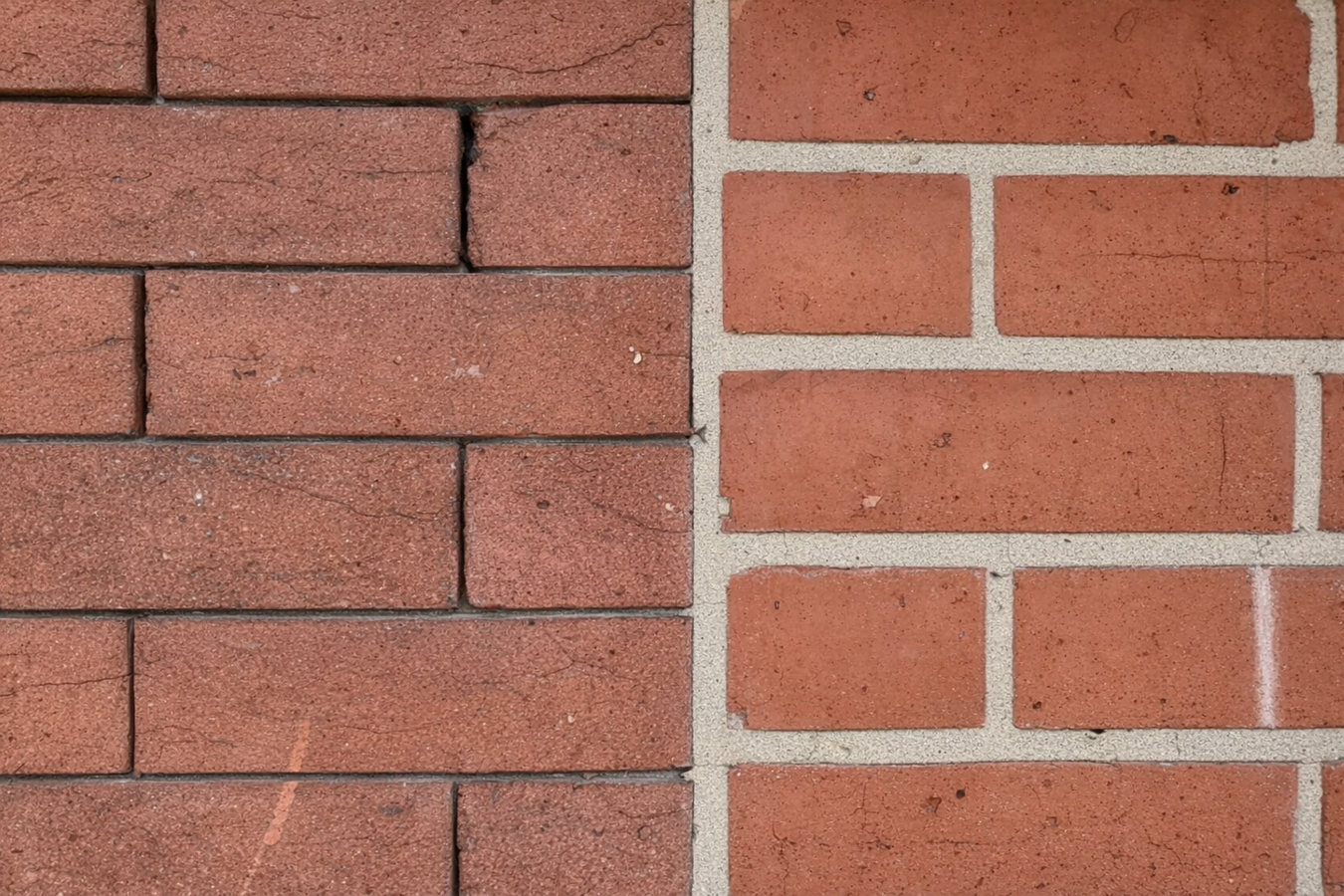
Crumbling mortar on your Alameda chimney or garden wall lets water in every winter. We repoint brick joints using mortar matched to your existing masonry - including older pre-war brick that requires a softer, more flexible mix.
Brick pointing in Alameda is the process of removing crumbling mortar between bricks and packing in fresh material - a focused repair that stops water from getting inside a wall, chimney, or garden structure, with most residential jobs completed in one to two days.
The mortar between your bricks is designed to be the softer, sacrificial material - it absorbs stress and moisture so the bricks themselves do not crack. Over time, water, seasonal temperature changes, and ground movement cause mortar to erode, crumble, or pull away from the brick face. In Alameda, this process happens faster than in drier inland cities. The city sits on an island surrounded by San Francisco Bay, and the persistent salt air, coastal fog, and wet winters accelerate weathering of porous mortar joints. A chimney that might last 30 years without attention in an inland city may show significant wear in 15 to 20 years here.
For homeowners dealing with failing mortar alongside other masonry issues, brick pointing often pairs naturally with tuckpointing, which uses a contrasting mortar color to define joints on decorative brick surfaces where the visual finish matters as much as the structural repair.
Stand back and look at your chimney, garden wall, or any brick surface on your home. If the lines between the bricks look hollow, recessed more than a quarter inch, or show loose crumbling material, the mortar has worn past the point where it is doing its job. Running your finger along a joint - if material comes away easily, that is a clear sign it needs replacing.
A chalky white residue on brick - called efflorescence - is caused by water moving through the masonry and carrying mineral salts to the surface. In Alameda's damp, bay-facing climate, this is a common early warning sign that moisture is getting into the wall through failing mortar joints. It does not always mean severe damage yet, but water is finding a way in.
The Bay Area experiences regular seismic activity, and even a moderate tremor can loosen mortar joints in a chimney without leaving obvious visible damage from the ground. If you have not had your chimney looked at since the last notable quake in your area, a mason's inspection is a reasonable precaution before you use the fireplace again.
If you notice damp spots on an interior wall adjacent to exterior brick, or water stains around your fireplace opening after rain, deteriorated mortar joints are one of the most common causes. Alameda's wet winters and marine air mean that even small gaps in mortar can let in enough moisture to cause interior damage over time.
We repoint brick chimneys, garden walls, foundation walls, and decorative brick surfaces across Alameda. Every job starts with a full inspection of the structure - not just the spots you pointed out - so we catch any underlying issues before work begins. The crew grinds or chisels out old mortar to a consistent depth, then packs in fresh mortar joint by joint, finishing each line to match the original profile. For older Alameda homes, we select mortar mixed or matched to the softness of pre-war brick, which is the step most contractors skip and the one that determines whether the repair lasts. When a chimney or wall also needs structural attention beyond the joints, foundation repair may be part of the same project - we assess and communicate that upfront rather than surprising you mid-job.
Color matching is part of every estimate conversation. Fresh mortar is almost always lighter than weathered mortar, and a mismatch can make a repair look patchy - especially on a front-facing wall or chimney on a historic Alameda property. We test a sample area first on jobs where the visible finish matters or use a color-matched product to get as close as possible to the surrounding original joints. We also work within Alameda's historic preservation guidelines for properties subject to design review, so you do not run into compliance issues after the work is done.
Suited to homeowners whose chimney mortar has eroded from years of Bay Area weather exposure and who want the structure sealed and ready before winter use.
Best for older garden walls where mortar has pulled away from the brick face, allowing water to work into the joints and accelerate deterioration through wet seasons.
Designed for pre-war Alameda homes where the original brick requires a softer mortar mix - the approach that prevents cracking the surrounding masonry while restoring the joint.
Ideal for homeowners who have noticed crumbling mortar along a brick foundation wall, where water intrusion through failing joints can lead to interior moisture problems.
Alameda is an island, and the mortar on your brick structures is fighting that environment every day. Salt air off the Bay, morning fog that settles into porous joints, and wet winters from November through March combine to erode mortar faster than homeowners typically expect. The Brick Industry Association notes that mortar is designed as the softer, sacrificial component of a brick assembly - it absorbs stress so bricks do not crack. But that also means it wears out first, and in a coastal environment it wears out faster. Homeowners in Emeryville, CA share the same bay-adjacent exposure and face the same accelerated mortar weathering on older brick structures.
The city's older housing stock makes the material-matching piece especially important here. Alameda has one of the largest collections of Victorian-era homes in California, and many still have original brick chimneys and garden walls from the late 1800s and early 1900s. Brick from that era is genuinely softer than modern brick - and if a contractor uses a hard modern mortar mix, the bricks themselves can crack over time rather than the mortar absorbing the stress as intended. Alameda also has an active historic preservation program, and properties in neighborhoods like the Gold Coast may be subject to design review guidelines on visible masonry repairs. Homeowners in Piedmont, CA have similarly large concentrations of pre-war brick that requires the same careful material approach, and we work across both cities regularly.
We will respond within one business day. We ask about the type of masonry, the age of the home, and what you have noticed - a few photos help us arrive prepared for the inspection visit.
We inspect the whole structure - not just the spots you pointed out - and check the brick faces as well as the joints for any signs that the issue runs deeper than surface mortar. You get a written estimate explaining what needs to be done and why.
The crew grinds or chisels out old mortar to a consistent depth, then packs fresh mortar joint by joint. A chimney or garden wall section typically takes one to two days. You do not need to be home, but staying reachable by phone is helpful.
We clean mortar residue off the brick faces and walk the finished work with you before we leave. Fresh mortar needs to stay dry for at least 48 hours - we give you specific guidance on what to avoid and for how long.
No obligation - we come look at your masonry in person and give you a clear, written quote before any work starts.
(341) 895-9185We select mortar hardness to match the age and type of your brickwork - the step that determines whether a repair lasts 25 years or starts failing in five. On pre-war Alameda homes, this is not optional, it is the entire basis of a repair done correctly.
We inspect the whole structure before we start and tell you upfront if there is something bigger going on - before a single tool comes out. You know exactly what we found, what we are fixing, and what it costs. No surprises after the bill is paid.
Many Alameda properties are subject to design review guidelines on exterior masonry repairs. We know what the city's Historic Preservation program expects on visible joint profiles and color matching, so your project does not get flagged or require revisions after the work is done.
Fresh mortar curing in Alameda's wet winter months risks hardening weakly. We schedule jobs during dry stretches and monitor the forecast around your work date so the mortar sets properly - which is what makes the difference between a repair that holds and one that does not.
Brick pointing on an older Alameda home requires understanding the local climate, the age of the brick, and what the city may require before work begins. Those are not complications - they are just what the job looks like here. Verifying a California CSLB-licensed contractor with specific Bay Area experience is the fastest way to confirm you are hiring someone who knows what they are working with.
Address failing footings and foundation damage before it compromises the brick structures sitting above them.
Learn MoreRestore and define brick joints on decorative surfaces using a contrasting mortar finish that sharpens the visual character of older masonry.
Learn MoreAlameda's dry season fills up fast - lock in your date now and have your brick sealed before the fall fog and winter rains arrive.