Loading...
Serving Alameda, CA and surrounding areas. (341) 895-9185
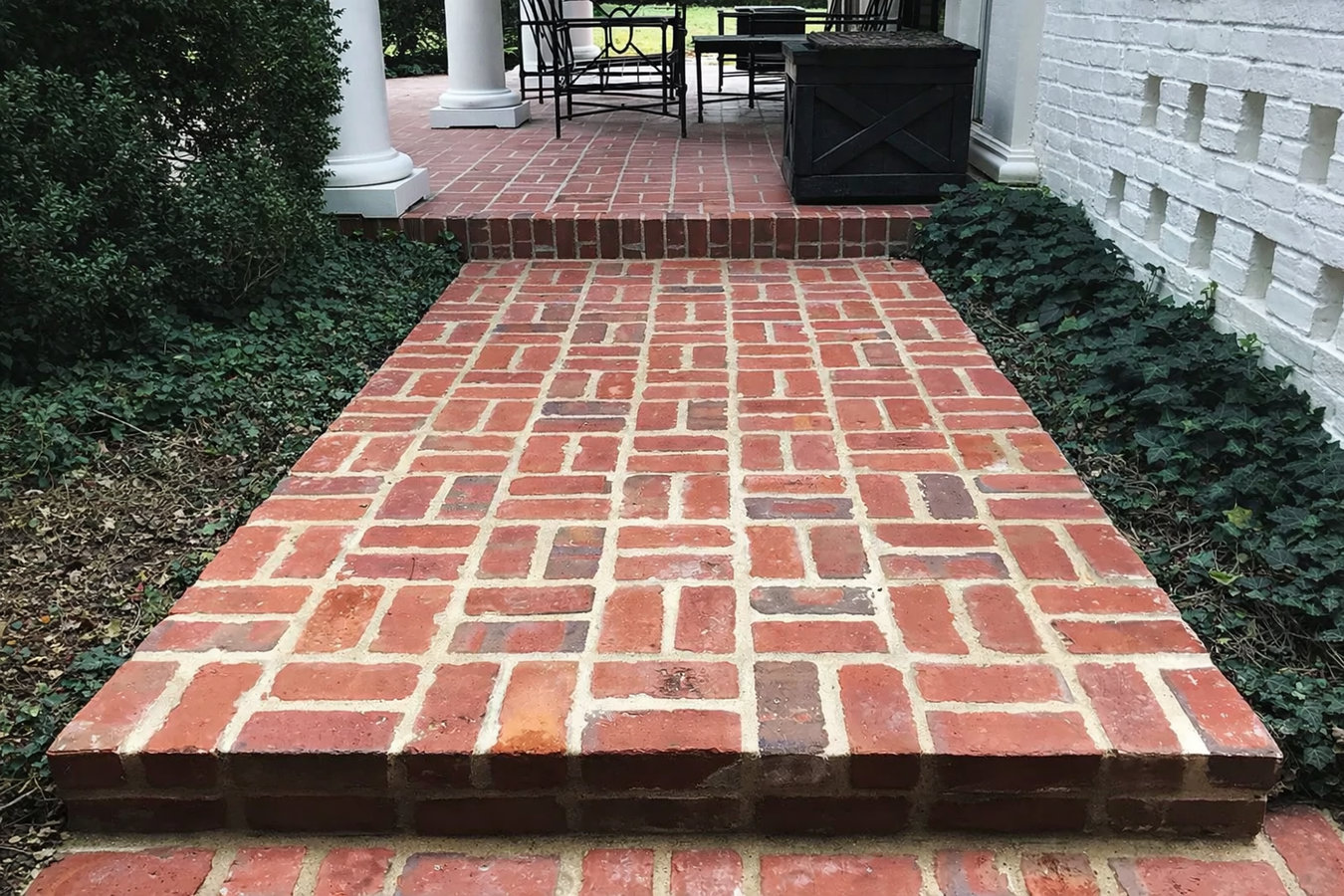
Cracked, sunken, or tree-root-damaged front paths are a tripping hazard and a curb appeal problem. We build new walkways on properly prepared bases designed for Alameda's soil, so your path stays level and looks right for years to come.
Walkway construction in Alameda means removing the old surface, preparing a stable compacted gravel base underneath, and installing new concrete, brick, pavers, or natural stone on top, most standard residential paths are complete in one to two days of active work once any permits are in place.
The part most homeowners do not see - the base layer - is what determines whether a walkway stays level or starts cracking within a few years. On Alameda's clay and fill soil, that base has to be prepared with more care than it would be on stable inland ground. A contractor who rushes through that step is setting you up for the same problem you are trying to fix.
If you are also updating your driveway at the same time, our driveway pavers service lets you match materials across both surfaces for a cohesive look from the street to your front door.
Hairline cracks can sometimes be sealed, but cracks wide enough to see clearly usually mean the slab has failed. In Alameda, this often happens in older homes where the original concrete was poured without an adequate base - the soil underneath has shifted, and the surface has followed. Patching does not fix the underlying cause.
A walkway with sunken sections or individual pavers that move when you step on them is a tripping hazard. This kind of settling is especially common in Alameda neighborhoods built on fill or clay, where moisture changes cause the ground to shift. It will not correct itself - and waiting makes more of the base need to be rebuilt.
Your walkway should move water away from your house, not collect it in puddles. Standing water after rain means the surface is no longer draining correctly - either it has settled unevenly or was never sloped properly. In Alameda's wet winters, pooling water also makes surfaces slippery and accelerates wear.
Raised sections where roots have grown underneath will only get worse. Alameda's mature street trees are a defining feature of the city, but their roots are powerful - once they have started lifting a walkway, a surface patch is a short-term fix at best. A new installation can be designed to give the roots room while keeping the surface stable.
We handle the full walkway project from start to finish - removing the existing surface, digging down and compacting the subgrade, laying a properly graded gravel base, and installing the surface material of your choice. Every project starts with a site visit where we check the slope, drainage, soil conditions, and any tree roots before giving you a written quote. We handle city permits when they are required and coordinate with Alameda's Public Works department if the project involves work near a city tree. When you want to extend your outdoor hardscape, our brick wall installation service pairs naturally with a new walkway to define borders, raised planting beds, or property edges in matching masonry.
Homeowners sometimes ask about material options and how they compare for long-term maintenance. The short version: poured concrete is typically the most affordable upfront and lowest maintenance once sealed; concrete pavers are easier to repair section by section if a root ever shifts a piece; brick and natural stone cost more upfront but can outlast the other options when the base was done right. We will walk you through all of this during the estimate so you can make the choice that fits your budget and how your home looks from the street.
Best for homeowners who want a clean, low-maintenance surface at an accessible price point, with a finish that suits both traditional and modern homes.
Suited to homeowners who want a walkway that can be repaired one section at a time and prefer the visual variety of individual units over a single slab.
A strong fit for Alameda's Victorian and Craftsman homes, where brick complements the character of the house and holds up well in coastal conditions when properly sealed.
Ideal for homeowners who want a high-end look - flagstone or irregular stone paths suit properties where the design of the front yard matters as much as durability.
Alameda's housing stock is older than almost any island city in the Bay Area. Most of the residential neighborhoods were built between the 1890s and the 1950s, and many original front walkways have never been replaced. When those are removed, contractors regularly find soil that has shifted, settled, or been disturbed over the decades - which means more prep work than a newer home would require. The island's bay mud and clay soils also move with seasonal moisture changes in ways that compact gravel inland soil does not, so the base layer needs to be deeper and better compacted here than a standard formula would suggest. Add the marine air from three sides of the island and you have a coastal environment that is genuinely harder on outdoor surfaces than most homeowners realize - the right material and sealer choice matters here. According to the Interlocking Concrete Pavement Institute, proper base preparation is the single most important factor in how long any paver or concrete installation lasts - and that is especially true in Alameda's conditions.
We also work with homeowners in Oakland and San Leandro, where older housing stock, mature tree canopies, and similar soil conditions create the same set of walkway challenges. The difference is that Alameda's island geography means every contractor and every truckload of materials has to come across a bridge or through the tunnel - we account for that in our scheduling so it does not slow your project down.
We will respond within one business day. We will ask a few basic questions - what you have now, what you want, and roughly how long the path is - and schedule a free on-site estimate. We need to see the site before giving you a real number.
During the visit, we check the slope, drainage, soil, and any tree roots. We discuss material options and tell you upfront whether a permit is needed for your specific project. You get a written quote before we leave.
If your project requires a City of Alameda permit, we handle the application. Permit review can add one to two weeks, so we factor that into the project timeline from the start. We coordinate with the city so you do not have to.
We remove the old surface, compact the subgrade, lay the gravel base, and install the new material - usually in one to two days. After concrete is poured, we tell you exactly when it is safe to walk on - typically 24 to 48 hours.
Free on-site estimate. We handle permits. No obligation.
(341) 895-9185Alameda's fill and clay soil requires a deeper, better-compacted base than standard construction guides assume. We prepare the subgrade specifically for local conditions, which is the difference between a walkway that stays flat and one that starts settling within a few years.
We have worked around mature oaks, elms, and other large street trees all over Alameda. We know how to assess root situations before quoting and how to design a new walkway that gives the tree room while keeping the surface stable - and when Alameda's Public Works department needs to be involved.
The California Contractors State License Board requires licensed contractors to handle permit applications, and we do. You will not be left to figure out Alameda's building process yourself. Permitted work is inspected by the city, which protects your home's record when you sell. Verify any contractor's license at cslb.ca.gov before you hire.
Alameda's bay air and year-round moisture degrade the wrong materials faster than most homeowners expect. We specify surface materials and sealers suited to coastal Bay Area conditions, so your walkway holds its appearance and its structure without needing constant upkeep.
Every one of these points comes back to the same thing: local conditions in Alameda require local knowledge. We have worked on walkways across the island - from the Victorian blocks near Park Street to newer properties at Alameda Point - and we know how different the ground, the trees, and the permit process can be from one end of the city to the other.
Add a permanent brick border or boundary wall that complements your new walkway and defines your outdoor space.
Learn MoreExtend matching paver materials from your front walkway across the driveway for a unified curb presence.
Learn MoreOur calendar fills up fast in spring and summer - contact us now to lock in your project date before the busy season starts.