Loading...
Serving Alameda, CA and surrounding areas. (341) 895-9185
Deteriorating mortar lets Bay moisture into your walls. We remove the old material, pack in a color-matched replacement, and seal the surface so water stays out.
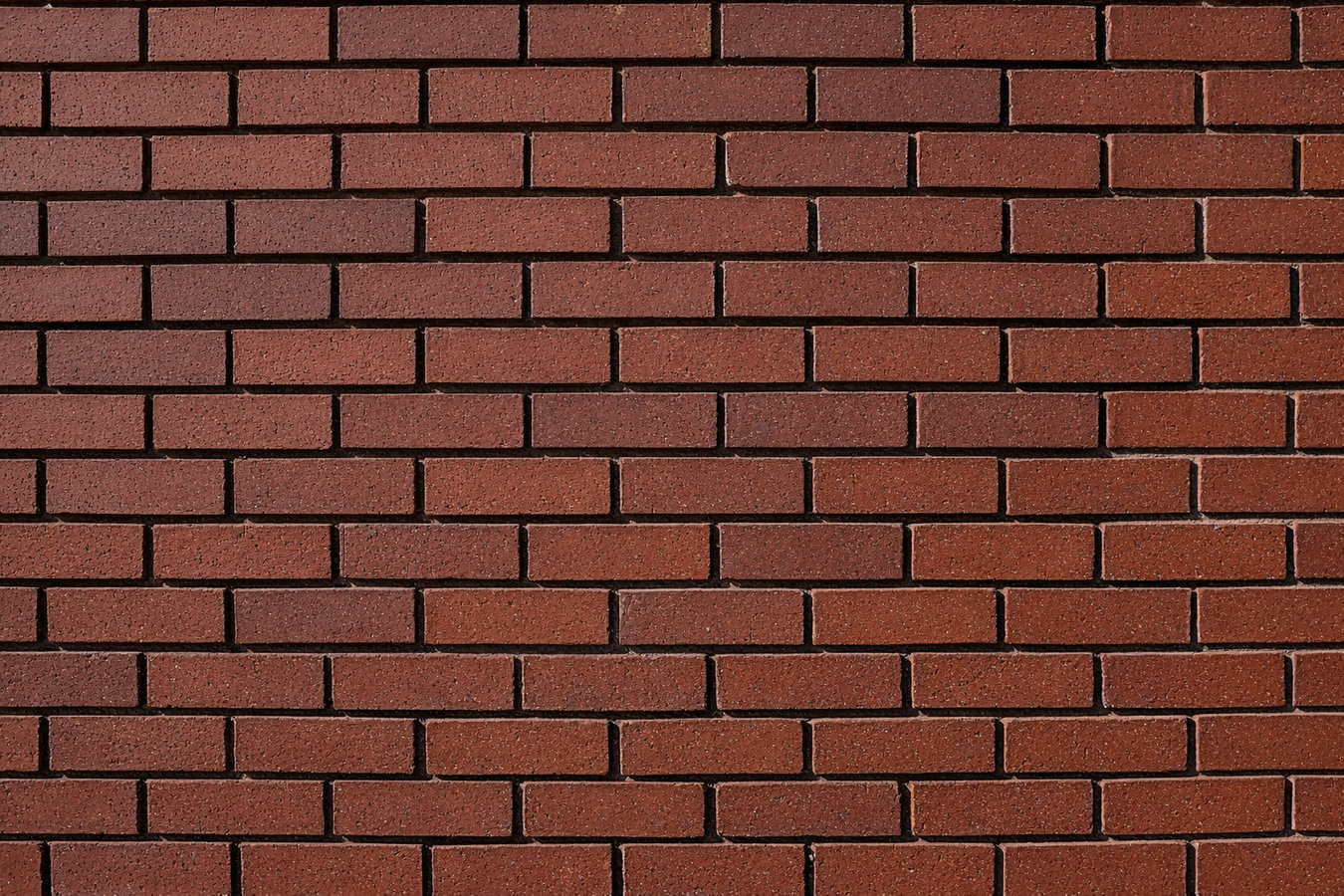
Tuckpointing in Alameda means cutting out deteriorated mortar from brick or stone joints and replacing it with fresh, color-matched material - most jobs on a single-family home take one to three days and stop moisture intrusion before it reaches the wall behind the masonry.
The mortar between your bricks is designed to wear out before the bricks themselves do. When those joints start to crumble, coastal moisture finds its way in and the damage compounds fast - especially in Alameda where salt air, fog, and wet winters all push water against exterior masonry. Catching failing joints early is almost always far cheaper than repairing the wall behind them.
If individual bricks are also cracked or spalled, that work is handled through our brick repair service, which can often be scheduled alongside a tuckpointing job in a single visit.
Stand close to a brick wall, chimney, or foundation and look at the lines between the bricks. If the mortar looks sunken more than a quarter inch below the brick face, or if it crumbles when you press it, it is past due for repair. This is the most common sign in Alameda's older homes, and it means water is already finding its way in.
Those white marks - called efflorescence - are mineral salts being pushed out of the masonry by moisture moving through the wall. In Alameda's salt-air environment, this happens faster than in inland cities. It is not just cosmetic: it tells you that water is actively moving through your masonry, and the mortar joints are likely the entry point.
Alameda's rainy season runs roughly November through March, and chimneys take the full force of that weather. If you see chunks of mortar missing, cracks running along the joints, or bricks that look like they have shifted slightly, those are signs that rain and moisture cycles have done real damage over the winter.
If a wall that contains or backs up to brick feels damp, or if you see water stains on the inside surface after rain, the mortar joints on the exterior are no longer keeping water out. This is the stage where acting quickly matters - water inside a wall can damage framing, insulation, and drywall in ways that cost far more to fix than the original tuckpointing job.
Our tuckpointing work covers every masonry surface that needs joint repair - chimney stacks, exterior brick walls, garden walls, decorative stone, and foundation masonry. We cut out old mortar to a consistent depth, clean the joints thoroughly, then pack in fresh mortar in layers and tool the surface to match your existing joint profile. Every job finishes with color-matched mortar tested on your specific wall before we commit to the full repair.
When we find issues that go beyond the mortar, we tell you clearly. If the masonry itself needs attention, our brick repair service handles cracked, loose, or spalled units. For chimneys and historic masonry where the joints need detailed precision finishing and color blending, our brick pointing service is the right fit. We coordinate both alongside tuckpointing so you deal with one crew and one visit.
Best for homeowners with a brick chimney showing cracked or receding mortar after a rainy season.
Best for older homes where a section or full run of brick wall has weathered past the point of spot repairs.
Best for pre-1940s Alameda homes that require lime-compatible mortar to avoid damaging softer original bricks.
Best for low masonry walls where joints are crumbling or white efflorescence is appearing on the surface.
Alameda sits on an island in San Francisco Bay, and the salt-laden air that rolls in off the water is genuinely harder on mortar than inland climates. Salt crystals work their way into mortar joints and expand as they dry, gradually breaking the material apart from the inside. On top of that, the Bay Area's seismic activity puts repeated micro-stress on masonry joints - those small movements that accumulate over years until a joint that looks solid suddenly crumbles when you press it. For homeowners in Alameda, inspecting mortar every three to five years is a reasonable habit rather than waiting for visible crumbling.
The city's housing stock also changes the stakes. A large share of Alameda's homes were built between the 1880s and the 1940s, and many of them have original mortar that was mixed with lime rather than modern Portland cement. Using the wrong replacement mortar on those walls does not just look bad - it can crack the bricks themselves over time. Homeowners in Oakland deal with the same issue across the bay, where Victorian-era homes are similarly common. The National Park Service publishes preservation guidance on historic mortar matching that outlines exactly why compatibility matters in older buildings.
When you reach out, we will ask a few basic questions - what type of masonry you have and roughly how much area is involved. We schedule a time to come see the job in person, because tuckpointing is one of those services where a phone quote is rarely accurate. We reply within one business day.
We walk the area with you, point out what we see, and explain what needs to be done and why. We will tell you whether the damage is cosmetic or structural, whether any bricks need replacing, and whether your home's mortar type requires a special mix. You receive a written estimate before anything starts.
The crew uses grinders and chisels to remove old mortar to a consistent depth - typically about three-quarters of an inch. They then clean out the joints with compressed air or a brush before packing in fresh mortar in layers. The work is noisy; keep windows on that side of the house closed.
Once the work is done, we walk you through what was completed and point out anything you should watch for. Fresh mortar needs to stay dry for at least 48 hours - no rain, no sprinklers. Full strength is reached over the following 28 days. If anything looks off, reach out before the curing window closes.
Free written estimate. No obligation. We reply within one business day.
(341) 895-9185A large share of Alameda's housing stock was built before 1940 using lime-based mortar, which is softer and more flexible than modern cement mixes. We identify your existing mortar type before mixing anything new, so the repair is compatible with your wall - not just visually matched but structurally sound over the long term.
If your home is in the Gold Coast or Central Historic District, exterior repairs have to meet specific requirements around mortar color, texture, and composition. We know what the city's guidelines require for contributing structures and handle that process as part of the job, so you do not have to navigate it alone.
Every tuckpointing job we do in California is performed under a current C-29 masonry contractor license, verifiable through the California Contractors State License Board. That license means background checks, bonding, and insurance - protection for you if anything goes wrong on your property.
We back our tuckpointing work with a written warranty that specifies exactly what is covered. Before we leave your property, we walk you through what was done and what your warranty covers - in plain language. The Mason Contractors Association of America publishes standards for what quality mortar work should include, and we hold ourselves to those benchmarks.
Every one of those proof points comes back to the same thing: you need a contractor who understands your specific home, not someone running the same process on every job. In Alameda, where the housing stock is old and the climate is harder on masonry than most of California, that local knowledge makes a real difference in how long the repair lasts.
When individual bricks are cracked, spalled, or shifting, brick repair addresses the structural issue that tuckpointing alone cannot fix.
Learn MorePrecision joint finishing for visible masonry surfaces where appearance and watertightness both matter.
Learn MoreAlameda's wet winters move fast - lock in your repair date now and protect your masonry before the first storms arrive. Call (341) 895-9185 or submit a request online.