Loading...
Serving Alameda, CA and surrounding areas. (341) 895-9185
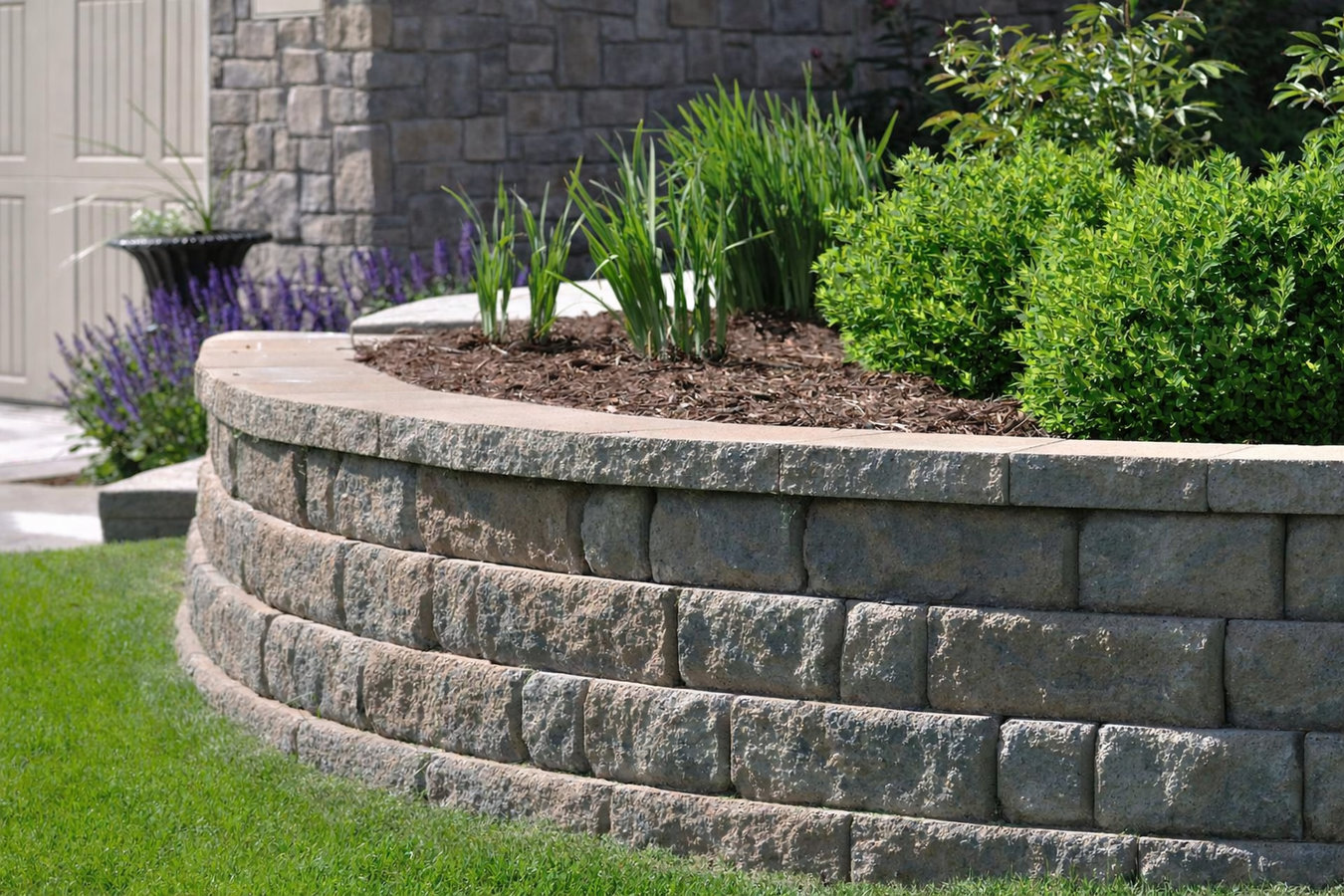
Alameda's fill soils and wet winters put every unprotected slope under pressure. A properly built retaining wall keeps your yard, walkways, and foundation exactly where they belong.
Retaining wall construction in Alameda means excavating a base trench, compacting a gravel foundation suited to Bay fill soils, building the wall in courses with drainage installed behind it, and backfilling once the structure is solid. Most residential jobs take one to three days of active construction, though the permit process adds two to four weeks for walls over four feet tall.
A wall that fails is almost always a drainage problem, not a materials problem. When water has nowhere to go behind a wall, it builds pressure against the face - enough to crack, tilt, or topple even a well-built structure. That is why drainage is not optional on any structural wall we build. If you have a slope that is already losing soil, it is worth understanding what is driving it before committing to a fix - sometimes masonry restoration on an existing wall is the right call rather than full replacement.
Alameda is in a high seismic hazard zone near the Hayward Fault, and that affects how retaining walls here need to be built. The California Geological Survey publishes seismic hazard zone maps for residential property owners who want to understand the specific risks on their lot.
Bare patches, ruts, or small channels forming on a sloped yard after a rainstorm mean your soil is eroding. Alameda's wet winters can move a surprising amount of material off an unprotected slope in just a few seasons. Left alone, that erosion will eventually undermine your landscaping, walkways, or the ground near your foundation.
A retaining wall tilting away from the slope it holds back is under stress it was not designed to handle. This is especially common in Alameda's older neighborhoods, where brick and concrete walls from the early 1900s were built without modern drainage systems. A small lean can become a collapse - get a professional opinion sooner rather than later.
If water collects at the bottom of a sloped area and takes a long time to drain away, the soil above is saturated and potentially unstable. Alameda's clay fill soils hold water longer than sandy or loamy soils, increasing pressure on any slope or existing wall. A retaining wall with proper drainage can redirect that water before it becomes a structural problem.
Cracks that run parallel to a nearby slope - especially if they are widening over time - can indicate that the soil underneath is slowly moving. In Alameda, where many lots sit on fill or bay mud, this kind of ground movement is more common than in cities built on bedrock. A retaining wall installed upslope can stop that movement before it causes more serious damage.
We build retaining walls from concrete block, natural stone, and poured concrete, matched to the structural requirements of each site. Material choice matters, but the right choice depends on your slope conditions, your home's style, and what the wall needs to hold back. We walk you through the tradeoffs before any work begins.
Retaining walls often connect to broader hardscape projects. We frequently pair wall construction with concrete block walls for property borders and fencing, and with masonry restoration when an older wall still has structural life left but needs drainage or surface work to perform reliably. Combining related work in one project saves mobilization costs and produces a finished result where everything belongs together.
The most common choice for residential projects - segmental block walls are strong, cost-effective, and handle Alameda's soil conditions well when installed with proper drainage.
Fieldstone and granite walls suit homeowners who want a wall that looks as though it has always been part of the landscape, particularly in Alameda's older historic neighborhoods.
Cast-in-place concrete is the right call for taller walls with significant soil loads - it provides maximum structural capacity and pairs well with an engineer's design on complex sites.
Shorter walls that create raised planting beds or level outdoor living areas - a popular upgrade for Alameda homeowners turning unusable sloped yards into functional garden spaces.
Alameda is built largely on Bay fill and bay mud - compressible material that behaves very differently from the firm hillside soil in nearby Oakland or Berkeley. Walls built here need deeper footings and more carefully designed drainage than they would on more stable ground, because soft soil shifts as moisture levels change throughout the year. A contractor who treats every job the same regardless of local soil conditions is cutting corners that will show up years later as a leaning or cracked wall. The city's permit process for taller walls exists in part to make sure this is done correctly, including engineering review when the site conditions warrant it.
We work on retaining wall projects across the island, from the older neighborhoods near the Estuary to newer properties at the west end. Homeowners in El Cerrito and Castro Valley face hillside and slope conditions that call for the same careful approach to drainage and footing depth that we bring to every Alameda project.
Reach out by phone or the contact form and we will follow up within one business day. Knowing the approximate wall size, whether there is an existing wall to remove, and whether the area is easy to access helps us show up prepared.
We visit your Alameda property, evaluate the slope, check soil conditions, and walk you through material options and cost ranges. There is no charge for this visit and no obligation to proceed.
We handle the City of Alameda Building Division permit application for walls that require one, and coordinate any engineer's review for taller structures. Budget two to four weeks for permit review.
The crew excavates, sets the base, builds the wall with drainage behind it, backfills, and cleans up. If a permit was required, we schedule the city inspection before handing the project back to you.
Free on-site estimate. We handle permits and engineering coordination. No pressure to decide on the day.
(341) 895-9185Bay mud and fill land shift more than firm native soil, which means walls built here need deeper footings and more careful compaction than jobs in hillside cities. We account for your site's specific soil conditions before any block goes down. That is what keeps a wall from leaning or cracking years after it was built.
Water pressure behind a wall is the most common reason walls fail - even well-built ones. We install gravel backfill and drainage pipe on every structural wall so water moves away from the wall face rather than building up pressure against it. The Mason Contractors Association of America sets the standards we follow.
Navigating Alameda's building permit process is confusing, and the last thing you want is a project that stalls over paperwork. We prepare and submit all required applications, coordinate the city inspection, and keep you informed at every step. You never have to call the Building Division yourself.
Many Alameda homes have original brick or concrete walls that are decades old and starting to show it. We will tell you plainly whether your wall needs repair, reinforcement, or full replacement - and explain why in plain terms, not contractor shorthand. You make the decision with full information.
A retaining wall is not a visible showpiece in the way a chimney or fireplace is, but it is one of the most important structural elements on a sloped property. Getting it right protects your landscaping, your hardscape, and your foundation for decades to come.
The Mason Contractors Association of America sets industry standards for masonry wall construction nationwide. For California permit questions, the California Building Standards Commission publishes the statewide code requirements that local building departments enforce.
Repair or restore an older masonry wall that still has structural life left, rather than replacing it entirely.
Learn MoreConcrete block is a durable, cost-effective choice for retaining walls and property borders on Alameda lots.
Learn MorePermit season fills up fast - lock in your start date before the next rainy season puts your slope at risk again.