Loading...
Serving Alameda, CA and surrounding areas. (341) 895-9185
Alameda Masonry & Concrete is the masonry contractor serving Castro Valley, CA - handling retaining wall construction, foundation repair, and brick repair for the community's hillside lots and postwar ranch homes, with crews familiar with local clay soil conditions and Alameda County permit requirements.
Alameda Masonry & Concrete is the masonry contractor serving Castro Valley, CA - handling retaining wall construction, foundation repair, and brick repair for the community's hillside lots and postwar ranch homes, with crews familiar with local clay soil conditions and Alameda County permit requirements.
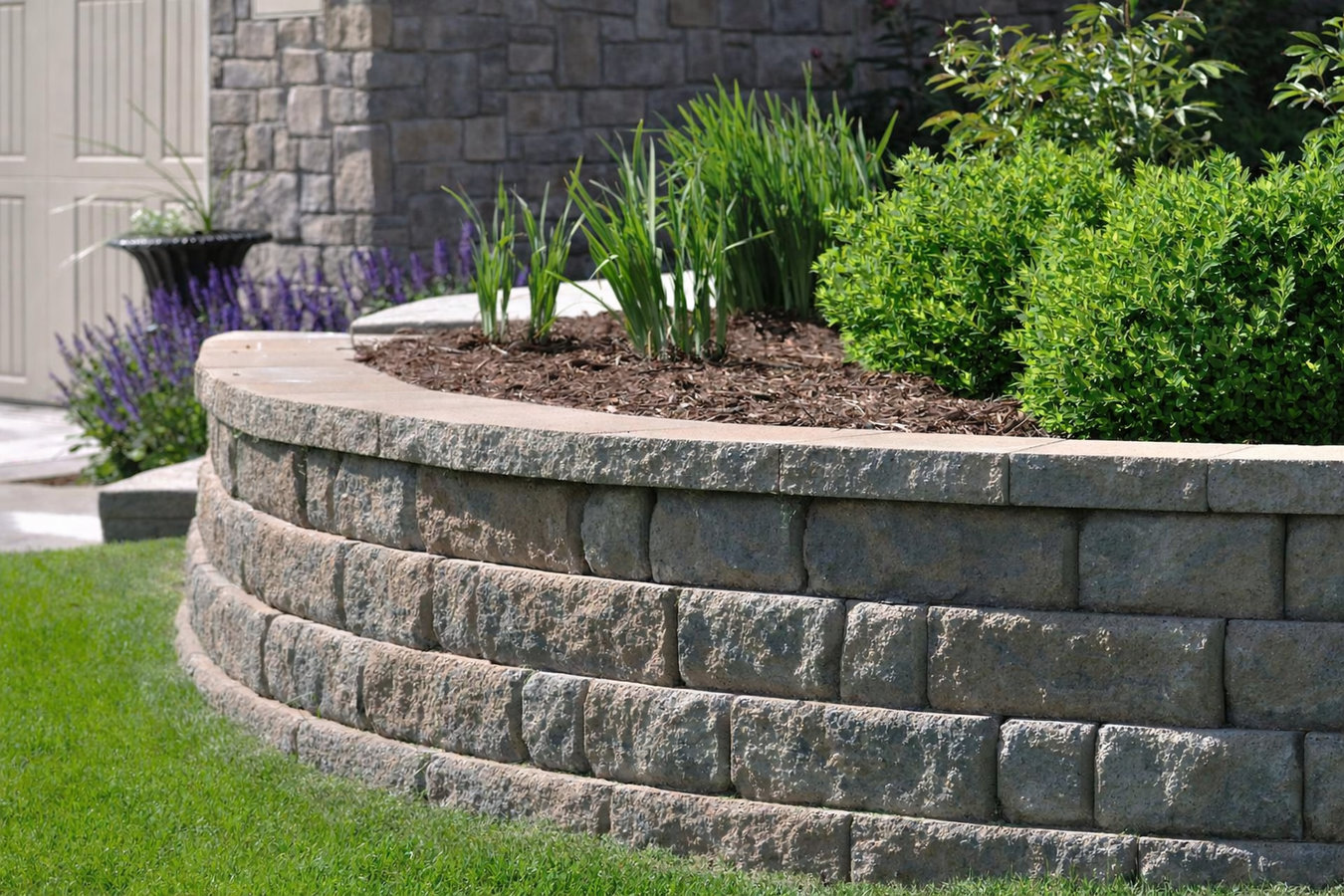
Castro Valley's hillside neighborhoods sit on clay-heavy soils that expand and contract with every wet season, and older retaining walls - many built in the 1950s and 1960s with minimal drainage - fail regularly after wet winters. Our retaining wall construction work includes proper drainage relief from the start, so the wall holds for decades rather than a few seasons.
Postwar ranch homes on Castro Valley's valley floor are common slab construction, and clay soil movement causes those slabs to crack and shift over time. Hillside homes with raised foundations face different but equally serious settlement issues as slopes move. We assess both situations and carry repairs through to a complete fix rather than a surface patch.
Castro Valley's older homes have brick chimneys and front steps that have taken decades of wet winters and dry summers. When mortar joints hollow out or brick faces spall, water gets behind the surface and accelerates the damage. We match the original mortar type and repoint cleanly so the repair blends rather than stands out.
Many Castro Valley properties have concrete block boundary walls and privacy fences that were built during the same postwar boom as the homes themselves. At 60 to 70 years old, the mortar in those walls is often failing and the blocks have shifted. We rebuild and repair block walls to current standards, including the drainage considerations that the original work skipped.
Castro Valley's clay soils heave concrete driveways over time, leaving uneven edges and cracked panels that are both unsightly and a tripping hazard. Paver driveways flex with the soil movement rather than cracking, making them a practical long-term choice for properties with active clay soil. We install pavers over a properly compacted base graded for drainage.
Hillside Castro Valley homes often have long front walkways that traverse sloped yards. When those paths settle unevenly or crack, they become a safety issue - and on steeper lots, they need to be designed with the grade change in mind from the beginning. We build walkways that work with the slope rather than fighting it.
Castro Valley was built out primarily in the 1950s and 1960s during the postwar suburban expansion across the East Bay hills. Most of the housing stock is now 60 to 70 years old, and a lot of the original masonry - retaining walls, concrete block fences, brick chimneys, front steps - was built to the standards and materials of that era, not today's. The bigger challenge is the soil. Castro Valley sits on clay-heavy soils that are classified as expansive - they absorb water during wet winters, swell against anything in contact with them, and then shrink back when summer dries things out. That cycle, repeated year after year, is why retaining walls crack, driveways heave, and foundations shift in ways that homeowners in other East Bay communities do not deal with as often.
The topography compounds the soil issue. Castro Valley is not a flat grid - it is a genuine valley with hillside neighborhoods on the surrounding ridges. Homes on sloped lots face drainage challenges that flat-lot properties do not: water runs toward the foundation, soil saturation concentrates at grade changes, and retaining walls carry real lateral loads. The USGS has documented landslide hazards in the San Francisco Bay region, and the hillside neighborhoods around Castro Valley fall within zones where soil instability is an established risk. A masonry contractor working here needs to understand drainage, not just how to lay block or set mortar.
Our crew works throughout Castro Valley regularly, and because it is an unincorporated community, we pull permits through the Alameda County Planning and Building Department rather than a city building division. That distinction matters - county review cycles can run longer than city ones, and knowing how to submit a complete package the first time keeps projects on schedule. We handle that process for every job that requires a permit, and we make sure the documentation matches what the county inspector will expect on-site.
Most of our Castro Valley work is in the hillside neighborhoods above the valley floor and on streets running off Castro Valley Boulevard, the main commercial corridor. The mix is mostly postwar ranch homes and split-levels on lots that range from flat to genuinely steep. Homes near Lake Chabot Regional Park and the eastern hills tend to have the most challenging drainage conditions, while properties closer to the BART station on the valley floor deal more with clay heave on flat lots. We adjust our approach based on which situation we are dealing with.
We also serve nearby San Lorenzo, where postwar tract homes face similar clay soil conditions on flatter lots. Whether the problem is a leaning hillside retaining wall or a heaved concrete slab on flat ground, the underlying cause is usually the same soil - and we deal with it regularly across both communities.
Reach us by phone or through the contact form on this page. We reply to all Castro Valley inquiries within one business day and typically schedule a site visit within the same week.
We walk the property, assess the soil conditions and drainage, and document the scope before quoting anything. The estimate is written and itemized - you will know exactly what is included and whether a permit is required through Alameda County before agreeing to anything.
For permitted work, we submit the application to Alameda County and keep you updated on the review timeline. Once the permit is issued, we schedule the start date and confirm materials and crew availability so there are no gaps once work begins.
We complete the work per the agreed scope, including any drainage corrections that were part of the plan. Before we leave, the site is cleaned up and the inspector sign-off is documented for your records.
No pressure, no obligation. We serve Castro Valley and the surrounding East Bay hills - and we respond within one business day.
(341) 895-9185Castro Valley is an unincorporated community in Alameda County with about 61,000 residents, tucked into a valley in the East Bay hills roughly 25 miles southeast of San Francisco along the I-580 corridor. It is not a city - it is governed by Alameda County - which means building permits and code enforcement go through the county rather than a local city hall. The community grew rapidly after World War II, and the bulk of its housing stock dates from the 1950s and 1960s. Those postwar ranch homes, split-levels, and stucco houses now sit on soil and original foundations that are 60 to 70 years old. Most of the housing is single-family owner-occupied, with residents who tend to stay for years and invest seriously in their properties. The Castro Valley Wikipedia article provides a useful overview of the community's geography and character.
The topography divides Castro Valley into two distinct zones. The valley floor near Castro Valley Boulevard and the BART station is relatively flat, with the typical clay-soil heave issues common across the East Bay flatlands. The hillside neighborhoods rising to the east, including areas near Lake Chabot Regional Park, sit on steeper terrain with more active drainage and retaining wall maintenance needs. Nearby Hayward borders Castro Valley to the south and shares many of the same housing age and soil condition characteristics. Whether your property is on the valley floor or up in the hills, the masonry challenges here are specific to this area's soil, slope, and age.
Build solid retaining walls that hold soil and protect your landscape.
Learn MoreBring aging brick and stone structures back to their original condition.
Learn MoreAdd a custom masonry fireplace that becomes the centerpiece of any room.
Learn MoreTransform exterior or interior surfaces with beautiful natural stone veneer.
Learn MoreLay a reliable block wall foundation engineered for long-term stability.
Learn MoreCreate a durable outdoor kitchen built from brick, stone, and block.
Learn MoreDesign and install a welcoming walkway using premium masonry materials.
Learn MoreBuild freestanding or boundary brick walls with precision craftsmanship.
Learn MoreCall us today for a free on-site estimate - we know Castro Valley's soil conditions, hillside lots, and Alameda County permit process, and we can get your project started quickly.